
Best Time to Replace the Roof in Redding: What Property Owners Should Know
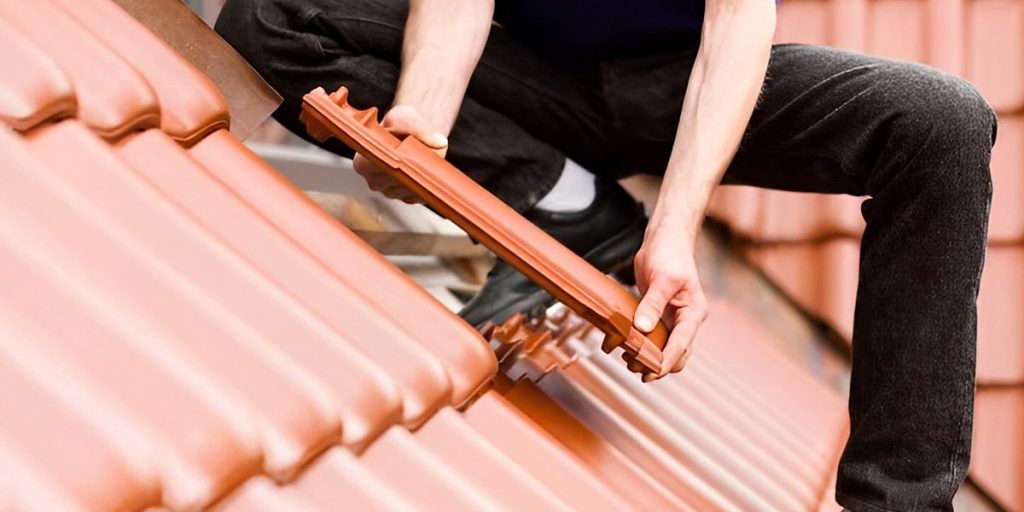
Most people do not think about replacing their roof until water starts dripping from the ceiling. By that point, the damage may already extend beyond the roofing material. A better approach is to plan the work before the roof fails.
So, when is the best time to replace the roof? The season matters, but it is not the only factor. You also need to consider the roof’s age, condition, repair history, drainage, and the weather in Redding.
This blog explains the best time of year to schedule roof replacement, the signs that you should not wait, and whether spray foam insulation may be an option for your property.
What Is the Best Time of Year to Replace a Roof?
For many Redding property owners, spring and fall are the most practical seasons for roof replacement. Temperatures are usually more moderate, and contractors may have better working conditions than during the hottest part of summer or the rainy season.
However, the right time depends on the condition of your roof.
If the roof is leaking, sagging, or allowing water into the building, waiting for a better season may cause more damage. In that situation, the best time to act is as soon as possible.
Here is how each season may affect a roofing project:
| Season | Main Advantage | Possible Concern |
| Spring | Moderate temperatures and time to address winter damage | Rain can delay work |
| Summer | Dry weather and longer daylight hours | Extreme heat may affect work schedules |
| Fall | Cooler weather before winter rain | Contractors may be busy |
| Winter | Emergency work can still be completed | Rain and shorter days may cause delays |
The goal is not to find a perfect month. It is to schedule the project while the roof is still stable enough for planned work.
| Schedule a Professional Roof Inspection in Redding – Call (530) 275-4588 |
Why Spring Can Be a Good Time for Roof Replacement?
Spring gives property owners a chance to inspect the roof after winter rain. Water may expose problems that were not noticeable during dry weather, including:
- Leaks around vents or flashing
- Ponding water on flat roofs
- Open seams or cracks
- Damaged roof coatings
- Wet insulation
- Soft areas in the roof deck
Spring temperatures are also usually easier for roofing crews to work in than Redding’s peak summer heat. The main drawback is unpredictable rain. A contractor must watch the forecast carefully and keep the building protected throughout the project.
Can You Replace a Roof During a Redding Summer?
Yes, roofs can be repaired or replaced during summer, and the dry weather can be helpful. However, Redding’s high temperatures require careful planning.
Roof surfaces can become much hotter than the outdoor air. This can affect workers, roofing materials, spray foam, and protective coatings.
Contractors may:
- Begin work earlier in the morning
- Avoid the hottest part of the day
- Divide the project into smaller sections
- Follow product temperature limits
- Adjust application times based on weather conditions
Summer can still be a good time to replace a roof, especially when the project must be completed before fall and winter rain. The contractor simply needs to plan around the heat.
Is Fall the Best Time to Replace the Roof?
Fall is often one of the best times to schedule roofing work in Redding. Temperatures are usually cooler than summer, and replacing a worn roof before the rainy season can help prevent leaks and interior water damage.
The challenge is availability. Many property owners have the same idea, so fall schedules can fill quickly.
If you want the work completed before winter, contact a roofing contractor early. Do not wait until the first major rainstorm reveals a serious leak.
Can You Replace a Roof in Winter in Redding?
Winter roof replacement is possible in Redding, but rain and shorter daylight hours can make scheduling more difficult. Roofing contractors may need to work around wet weather and wait for suitable conditions before installing certain materials if your roof is already leaking or badly damaged; however, waiting until spring may allow the problem to get worse. Emergency roof repairs or replacement may be necessary to protect the building.
How Often Should You Replace Your Roof?
There is no single replacement schedule for every roof. Service life changes based on the roof material, installation, weather exposure, drainage, maintenance, and how quickly small problems are repaired.
Instead of relying only on a calendar, arrange routine inspections and watch how the roof is performing.
A well-maintained spray foam roofing system may not need complete replacement as often as some other roofing systems. Depending on its condition, the protective coating may be renewed or recoated to extend the system’s useful life.
A professional inspection should check the condition of the protective coating, look for cracks or punctures, and make sure water is draining properly. The roofer should also check for exposed foam, a coating that is wearing thin, signs that earlier repairs are failing, and any moisture trapped beneath the surface.
What Are the Signs You Need a New Roof?
Seasonal timing becomes less important when the roof is showing signs of failure.
You should arrange a professional roof inspection soon if you notice:
- Leaks that return after repairs
- Water stains on ceilings or walls
- Cracks, blisters, punctures, or open seams
- Water remaining on a flat roof after rain
- Soft, weak, or sagging areas
- Damaged flashing around vents and roof edges
- Wet or damaged insulation
- Rising cooling costs
- Frequent repair calls
- Large areas of worn roofing material
One small leak may be repairable. Several leaks in different areas may mean the roof has reached the end of its useful life. A sagging or soft section needs immediate attention. It could indicate wet decking or structural damage. Avoid walking on any roof that appears unstable.
How Do I Know If My Roof Needs Replacing?
If you’re wondering when you should replace your roof, the answer depends on its condition rather than its age.
Not every sign of roof damage means you need a full replacement. The best way to find out is to have a professional inspect the roof rather than trying to judge its condition from the ground.
A useful inspection may include checking the membrane or roof covering, flashing, penetrations, drainage, edges, deck condition, previous repairs, insulation, and signs of trapped moisture. If the roof has widespread damage that a new coating cannot safely cover, replacement might be the better option.
After the inspection, ask for clear answers to three questions:
- Can the damaged areas be repaired?
- Is the roof suitable for restoration or spray foam?
- Would replacement offer better long-term value?
A trustworthy contractor should explain why a recommendation is being made and show you the problem areas. Be cautious of anyone who recommends applying a roof coating or spray foam directly over the existing roof without first checking for wet materials or structural damage.
Read More About
- How Much Can Spray Foam Roofing Reduce Your Energy Bills? The Real Savings Explained
- Why More Mobile Home Owners Are Choosing Roof Coatings Instead of Replacement
- Interior Ceiling Feels Damp but No Visible Leak? Hidden Roof Issues Explained
- What Causes Soft Spots and Sagging in Mobile Home Roofs?
Should You Repair or Replace the Roof?
Not every roof problem requires a complete replacement. When the damage is limited to one area and the rest of the roof is in good condition, repair may be the best option. Replacement becomes more practical when problems are widespread or keep returning.
| Roof Condition | Likely Option |
| One small leak or damaged area | Repair |
| Worn coating but sound roof system | Restoration or recoating |
| Minor drainage problem | Repair and improve drainage |
| Repeated leaks across several areas | Replacement may be more practical |
| Wet insulation or damaged decking | Remove damaged materials and replace |
| Sagging or structural concerns | Immediate professional inspection |
As a homeowner, it’s important to look beyond the cost of a single repair. Repeated temporary fixes can quickly add up and, over time, end up costing more than restoring or replacing the roof properly. That’s why a professional roof inspection is important. It should evaluate not only the visible roofing surface but also penetrations, seams, flashing, drainage, insulation, and the roof deck to identify any underlying issues.
Could Spray Foam Roofing Be Used Instead of a Full Tear-Off?
In some cases, yes.
Spray polyurethane foam roofing in Redding may be installed over certain existing flat or low-slope roofs. The foam is applied as a liquid and expands into a continuous insulating layer. A protective coating is then installed over it.
A spray foam roofing system may:
- Seal around roof penetrations
- Create a seamless surface
- Add insulation above the roof deck
- Help reduce heat transfer
- Correct certain minor drainage areas
- Reduce the amount of material that must be removed
However, spray foam should not be applied over wet, loose, or badly damaged roofing materials. The roof must first be inspected, cleaned, dried, and properly prepared. Wet insulation and damaged decking must be removed before the new system is installed.
| Need SPF Insulation for Your Roof in Redding? Call (530) 275-4588 |
Common Questions About Roof Replacement
1. How do I know if my roof needs replacement instead of repair?
Replacement may be the better choice when leaks appear in several areas, repairs no longer last, insulation is wet, or the roof deck has been damaged. The roof’s age and overall condition also matter. A professional roofing contractor can inspect below the visible surface and help you compare the cost of another repair with a longer-term replacement or restoration.
2. Can I wait until my roof starts leaking before replacing it?
No. Waiting until your roof starts leaking is usually not the best approach. Water can secretly rot your wooden roof deck, ruin your home’s insulation, and damage electrical wiring long before you ever see a drip on your ceiling.
Professional roofers recommend scheduling routine checks so you can catch warning signs, like cracked seams or ponding water, and fix the roof before it turns into an expensive interior emergency.
3. Can spray foam roofing be installed over an old roof?
Sometimes! If your current roof is clean, dry, and structurally sound, spray foam can be applied right over it. However, if there are any wet spots or rotten boards underneath, those must be torn out and replaced first so moisture doesn’t get trapped.
A professional moisture inspection helps determine whether the roof can be restored with spray foam or requires more extensive replacement.
Takeaway
Don’t wait for your roof to fail before replacing it. In Redding, spring and fall are often good times for roofing work, but the roof’s condition is also an important factor, more than the season. If you have repeated leaks, sagging, wet insulation, or frequent repairs, it’s time to get a professional inspection and decide whether repair, restoration, spray foam roofing, or full replacement is the best option.
Plan Your Redding Roofing Project With Foam Experts Co.
If you’re looking for a dependable spray foam insulation service in Redding to improve or restore your mobile home, industrial, or commercial roof, Foam Experts Co. is here to help.
Our fully licensed team (# 455066) has been serving Northern California with spray polyurethane foam roofing in Redding for more than 40 years. As an experienced spray foam contractor in Redding, we can inspect your property and recommend a practical solution.
Our services include spray foam roofing, roof repair, protective coatings, insulation, maintenance, and solutions for flat and low-slope roofs.
For professional spray foam roofing in Redding, call Foam Experts Co. at (530) 275-4588.
Contact us to request an estimate.