
Do You Need to Remove Old Spray Foam Roof Coating Before Applying New Foam?
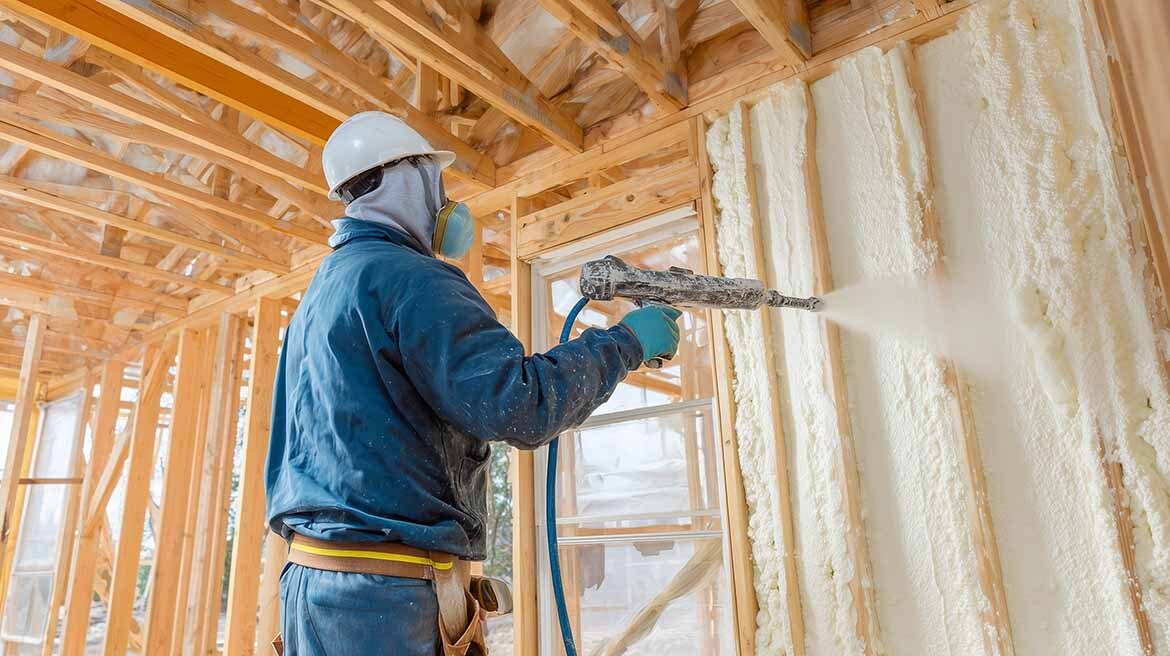
Most businessmen use spray foam on the roofs of their commercial or industrial buildings. It protects their inventory, equipment, employees, and daily operations. But when that spray foam roof starts showing signs of wear, it is natural to wonder – “Can I just spray another layer on the existing one, or do I need to remove the old spray foam roof coating before applying new foam?”
Some roofing contractors will tell you that a full removal is the only way to go (usually because it pads the bill), while others might try to spray over a mess that should have been cleared away years ago. But what’s the right thing to do?
As an experienced and trusted foam roofing company, we always suggest the right and honest solutions. In this blog, we’ll clear up the confusion and explain exactly when removal is necessary, and when it’s not.
How Spray Foam Roofing Actually Works
Spray polyurethane foam (SPF) roofing is popular for commercial and industrial buildings because it creates a seamless waterproof layer over the roof, adds insulation, and improves energy efficiency.
Unlike traditional roofing systems, foam roofing is applied in liquid form. It expands, bonds tightly, and forms a solid, insulated surface on drying. On top of the foam, a protective coating (usually silicone or acrylic) shields it from UV rays and weather damage.
When properly installed by professionals and well-maintained, a spray foam roof can last 20 to 30 years, and even longer with periodic recoating.
Why Old Spray Foam Coatings Fail Over Time
After 20-30 years, the top coating of spray foam wears down, but that’s normal. Intense sun, heat cycles, and occasional storms slowly thin the protective layer. The foam underneath is usually still strong. But once the coating weakens, the roof becomes more vulnerable to cracks, ponding water, and moisture intrusion.
However, not every foam roof lasts 20-30 years. If it was installed the wrong way, like uneven spraying, too thin in some areas, or poor drainage, it can start having problems much sooner. When water sits on the roof for too long, it weakens the coating faster and shortens the roof’s life.
| Get Expert SPF Installation for Your Commercial Roofing in Redding –
Call 800-281-0313 |
When You Don’t Need to Remove Old Spray Foam
In many cases, the foam under the roof is still in good shape. That means there’s no need to tear off the entire roof.
- If an infrared scan shows no trapped moisture, and the existing foam is completely dry.
- If the original foam is still tightly attached to the roof deck, there’s no need to remove it.
- If there’s minimal UV damage because the top coating was maintained and recoated on time (usually every 10-15 years).
In all the above conditions, restoration is possible. For many commercial roofing projects, restoration is the smartest option because it extends the roof’s life by 10-20 years at a fraction of replacement cost.
When Full Removal of Old SPF Roof Is Necessary
There are a few situations where old foam must be removed before applying new foam.
1. Saturated Insulation
If water has seeped deep into the foam cells due to neglect, it won’t dry out on its own. Trapping that water under a new layer leads to rot and structural failure.
2. Delamination
If the old foam has lost adhesion and is peeling away from the deck, a new layer won’t fix the bond.
3. Extensive Sunburn
Spray foam needs a protective coating. Without it, direct sunlight can start damaging the foam very quickly. If the roof has been left without coating for a long time, the top layer can become dry, weak, and powdery, and new foam or coating won’t stick properly to it.
4. Poor Original Installation
Unfortunately, not all foam roofing companies follow proper thickness and curing standards. If the initial installation was poorly done, layering over it won’t fix structural issues.
5. Structural Damage to the Deck
If the roof deck itself is damaged, it must be addressed before any new foam is installed.
In these cases, partial or full removal may be necessary.
| Note – When you work with an experienced roofing team in Redding, they won’t immediately suggest or push for removal. They will first inspect your roof carefully, check for moisture, test adhesion, and evaluate the condition of the foam before recommending the right solution. |
Restoration vs. Replacement – What’s the Difference?
| Factor | Foam Roof Restoration | Full Removal & Replacement |
| Labor Cost | Lower | Higher |
| Disposal Fees | None | Dumpster & hauling required |
| Project Timeline | Faster completion | Longer disruption |
| Business Downtime | Minimal | May impact operations |
| Material Cost | Lower investment | Higher material expense |
| Overall Budget Impact | Often 30-50% more cost-effective | Larger upfront expense |
Frequently Asked Questions
-
Is it necessary to remove old insulation before installing new?
Not always. If the existing insulation or foam is dry and structurally sound, it can often remain in place. This saves you thousands in labor and disposal fees. However, if it’s wet, moldy, or deteriorated, removal is important. Installing over damaged insulation can reduce performance and trap moisture.
-
Can you spray foam over existing insulation or roofing?
Yes, spray foam can often be applied over existing insulation or roofing systems. However, the old material may need to be removed first if it is moldy, water-damaged, or improperly installed. A professional inspection helps decide whether the existing layer can remain or must be removed before applying new foam.
-
What happens if I don’t replace old insulation?
Ignoring wet or damaged insulation can result in mold growth and moisture problems. It also reduces energy efficiency, which means your HVAC system has to work harder and your energy bills go up. Over time, trapped moisture can even damage the roof deck or structural parts of the building.
-
Can mold grow under spray foam?
Spray foam is inorganic and does not support mold growth. However, if moisture gets trapped beneath improperly installed foam or damaged coating, mold can grow on the underlying materials, like wood or drywall. That’s why moisture testing by trusted roofing professionals is important before applying new foam.
Takeaway
So, whether you need to remove old spray foam before applying new foam depends on the condition of your existing roof.
If the foam is dry, properly attached, and still in good shape, restoration is often possible and can extend the life of your roof for many more years. But if there is water damage, poor adhesion, or structural issues, removal may be the safer long-term solution.
A proper inspection tells you what’s best for your roof. For commercial and industrial buildings, making the right decision protects your investment, operations, and budget.
Read More About:
1. Does Mold Remediation Need to Happen Before Spray Foam is Installed?
2. Can You Apply Spray Foam Insulation Under a Metal Roof?
3. Can Spray Foam Insulation be Applied Directly to Roof Deck
4. Is Spray Foam Insulation Waterproof?
Make the Smart Move for Your Commercial Roof in Redding With Foam Experts Co.
Looking for a trusted foam roofing company in Redding? Contact Foam Experts Co. without any doubt!
With over 40 years of experience, we’re Redding’s top roofing contractors for industrial and commercial roofing in Redding. We understand building codes, safety protocols, and long-term performance requirements. Our team is licensed, skilled, and well-experienced in installing SPF roofs with utmost care and responsibility.
Call us at 800-281-0313 to get a free quote today!