
Using Asphalt Shingles for Commercial Roofing Systems
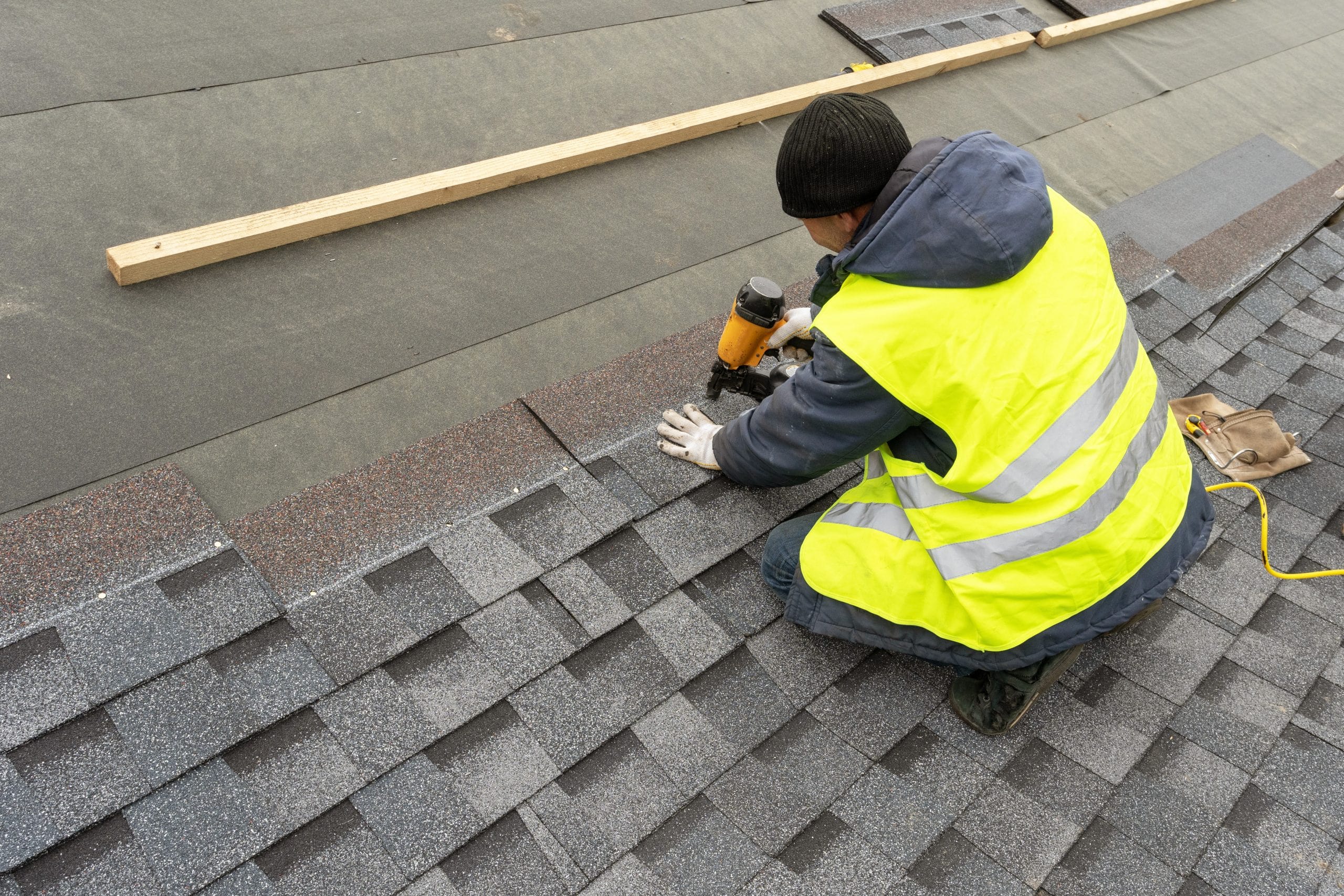
Asphalt shingles are a strong option for the commercial sloping roofs for most people because of their lower cost, but they may come with specific limitations. They need proper planning and the right installation to handle the intense heat in Northern California.
This blog explains how asphalt shingles actually work for commercial buildings, and whether a simple upgrade like SPF insulation can help them last much longer.
What are Asphalt Singles?
Asphalt Singles are made using three main layers.
- A fiberglass base that gives the shingle strength.
- A coating of asphalt that makes it waterproof.
- Protective stone granules on top that improve durability and appearance.
These shingles are installed in overlapping layers, which creates a tight seal to keep water out of your building.
Types of Asphalt Shingles
| Types | Main Features | Best For |
| Three-Tab Shingles |
|
Budget-conscious projects or temporary solutions |
| Architectural (Dimensional) Shingles |
|
Most commercial applications in Redding |
| Luxury Shingles |
|
High-visibility commercial properties |
How Do Asphalt Shingles Work?
One of the biggest advantages of asphalt shingles is how they’re designed to work with sloped roofs. Their overlapping pattern allows water to flow downward easily, reducing the risk of leaks and helping the roof handle wind uplift more effectively.
Today, newer and modified versions of asphalt shingles are also being used in commercial roofing, especially for buildings with low-slope or moderately sloped roofs. With the right installation and materials, they can perform well even in more demanding commercial environments.
What Are the Benefits Of Choosing Asphalt Shingles for Commercial Roofing?
Commercial asphalt shingles are a good option for many businesses, and more companies could benefit from this roofing solution. While asphalt shingles may not work for flat commercial roofs, they are ideal for buildings with steeper or low-sloped roofs, offering the same benefits to businesses as homeowners.
1. Cost Control Without Compromising Quality
When you use materials like metal or concrete for commercial roofing, it’s quite expensive. Asphalt shingles give you a budget-friendly option while still offering an attractive look.
2. Faster Installation and Less Business Disruption
Asphalt shingles are easy to install, require fewer specialized tools, and less time. This helps reduce labor time, which means less downtime for your business.
3. Improved Curb Appeal
Commercial asphalt shingles can improve the curb appeal by offering a variety of styles and colors, unlike the plain look of many commercial roofs.
4. Easy To Repair
Asphalt shingles can be repaired easily. If something goes wrong, you don’t have to replace the entire roof; damaged sections can be fixed individually. The repair process is usually quick and more affordable, which helps you avoid major expenses.
This is more useful for commercial roof repair, where fast repairs can prevent disruptions to your business.
| Upgrade Your Commercial Roofing – Call Now |
Are There Any Limitations of Asphalt Shingles for Commercial Roofs?
1. Not Ideal for Flat Roofs
Asphalt shingles can only be used for sloped roofs where water can easily drain off. They rely on gravity to do their job. If your commercial building has a flat roof, water can collect and sit on the surface, increasing the risk of leaks and damage over time.
2. Shorter Lifespan Compared to Other Roofing Options
Even high-quality asphalt shingles don’t last as long as other available commercial roofing options. Materials like metal or concrete and spray foam roofing are known for their longer lifespan, which may make them a better long-term investment depending on your needs.
3. Weather Wear Over Time
Heat is tough on roofing materials because of direct and constant exposure to high temperatures. It can cause asphalt shingles to lose their protective granules, develop cracks, and gradually lose performance. That’s why regular maintenance of asphalt shingles becomes important.
4. Requires Regular Maintenance and Proper Ventilation
Asphalt shingles need proper ventilation to release heat, and sealing them can trap heat and lead to damage over time. That means they can’t be covered with spray foam, which is a big loss as SPF is a great solution for commercial roofing that helps protect heat transfer and reduce your energy bills.
Why Spray Foam Roofing Can’t Be Applied on Asphalt Shingles?
Spray foam roofing is a powerful solution for commercial buildings with flat roofs. But it is not suitable over asphalt shingle roofs, mainly due to sloped structures. In most cases, applying spray foam directly over asphalt shingles can create more problems than benefits if not handled correctly.
- Most asphalt shingle manufacturers may void warranties if additional materials like spray foam are applied over them.
- Spray foam creates a sealed surface. If any moisture gets trapped under, it can lead to hidden rot or structural damage over time.
- Once foam is applied, it can bond materials together, making future roof repairs or replacement more complex and costly.
Note – Spray foam roofing is one of the most popular solutions to protect roofs today. However, it works best for flat commercial roofs, low-slope industrial buildings, or structures needing seamless waterproofing.
How Does Spray Foam Insulation Protect Flat Commercial Roofs?
SPF roofing acts as an added layer of protection over your existing flat commercial roof, improving both durability and energy efficiency.
1. Leaks Prevention
Spray foam creates a seamless, airtight, and watertight layer over the flat metal or concrete roofs. It easily spreads over the flat roof and prevents water leaks even through small gaps, preventing mold, mildew, and other property damage.
2. Cost-Effective
Spray foam improves drainage and reduces heat absorption. This means less stress on your roof and lower chances of damage over time.
By minimizing heat transfer in and out of a building, spray foam for commercial roofing can significantly lower a commercial space’s monthly energy costs.
3. Better Insulation
Spray foam is mainly known for its high R-value, which is very useful in areas experiencing extreme heat during the peak summer season. A higher R-value means better insulation performance, as it blocks heat transfer in and out of a structure more effectively.
| Get Quality SPF Insulation For Commercial Roofs – Call Now |
Frequently Asked Questions
1. I have a few leaks on my commercial roof. Do I need a full replacement, or is applying spray foam sufficient?
In most cases, you don’t need a full replacement. If the damage is limited (around 25% or less) and the shingles are still in good condition, a targeted commercial roof repair in Redding should be enough. If you have a metal or concrete roof, applying an SPF insulation with the help of professionals can also help increase the lifespan of your roof.
However, if you notice a lot of granules (like black sand) in your gutters, it’s usually a sign that your shingles are wearing out and may need replacement soon.
The best way to be sure is to have a professional roofing contractor inspect your roof and recommend the right solution.
2. What are the disadvantages of using asphalt shingles for commercial roofs?
- The biggest disadvantage is that asphalt shingles only work well for sloped roofs. On a flat commercial roof, they trap water and leak.
- In a hot climate like Redding, constant sun exposure can make them dry, brittle, and less effective than other commercial roofing materials.
- Asphalt Shingle roofs are heavier and have more seams. This increases the risk of wind damage and high maintenance costs compared to seamless options like concrete or metal roofs, with the top coated with a layer of spray foam for extra protection.
3. Which is better, metal roofing or asphalt shingles for commercial and industrial properties?
It mainly depends on your budget and long-term goals.
- Asphalt shingles cost less and work well on sloped commercial buildings. Metal roofing is more expensive, but it can last 50+ years and reflects heat better, which helps with energy savings.
- Metal roofs can often be upgraded later with spray foam insulation to improve their lifespan. Asphalt shingles don’t offer that same flexibility, since adding spray foam over them is usually not recommended.
Read More About
- How to Keep Your Commercial Building’s Roof Cool in the Summer
- Spray Foam vs. Traditional Roofing: Benefits for Commercial Properties
- Common Commercial Roofing Problems in Redding and How to Address Them?
- How Does Commercial Roofing Affect Energy Consumption in Redding Businesses?
Takeaway
Asphalt shingles can be a solid, budget-friendly choice for many commercial properties with sloping roofs, but they do have their limits. Most standard asphalt shingle roofs hardly last closer to 15-20 years due to constant sun exposure.
However, that’s not the case with metal roofs. They’re perfect for flat or low-sloping roofs. The best part is that you can maintain their quality and extend their lifespan to more than 50 years by applying SPF insulation every 15-20 years without always needing a full replacement.
Ready to Improve Your Commercial Roof? Get Reliable Spray Foam Roofing From Foam Experts Co.
You can upgrade your commercial roofing in Redding with the help of Foam Experts Co, one of the top roofing companies in Redding.
Our expert team specializes in polyurethane foam roofing, providing an extra layer of insulation and protection that makes your flat roof more durable and energy-efficient. Whether you are dealing with the summer heat or need year-round protection, our spray foam solutions can keep your building comfortable and extend the life of your asphalt shingles.
Call 800-281-0313 today for a consultation and see how we can help improve your roofing system.