
Can You Put Solar Panels on a Mobile Home Roof? (2026 Guide to Costs, Roof Strength, and Incentives)
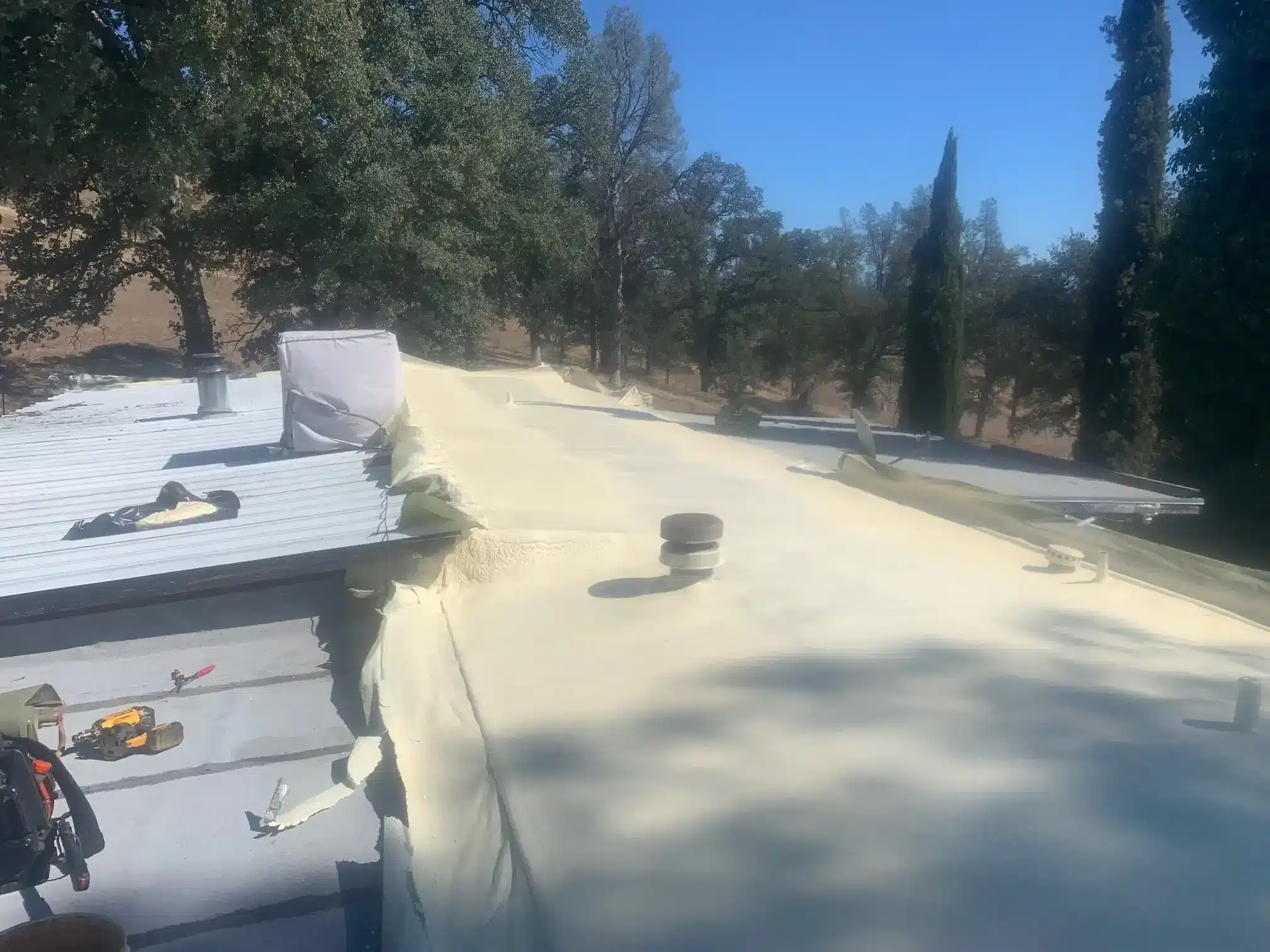
Thinking about installing solar panels on your mobile home? Before you get started, there’s one important thing to consider: how much your current roof can handle.
Unlike regular houses, mobile homes often have different roof structures, and not all of them can safely support solar panels. If your roof is older or already needs repairs, you’ll want to take care of those issues first. Otherwise, you could end up spending more money on roofing work later.
And that’s not the only expense to think about. From installation costs to available solar incentives in California, there are a few things worth knowing before you make a decision.
We’ll cover all of this in the blog so you have a better idea of what to expect before getting started.
Can Your Mobile Home Roof Support Solar Panels?
Yes, solar panels can be installed on many mobile homes, but the roof must be strong enough to support the additional weight. Its condition also matters because installing panels over an aging or damaged roof could lead to expensive repairs later.
Before moving forward, here are two things you need to check –
- Roof strength: Your roof structure must be able to handle the weight of the panels, mounting equipment, and applicable wind and other structural loads.
- Roof condition: Check for leaks, damaged seams, worn coatings, and other signs of deterioration. You should also consider how many years of useful life the roof has left.
Even if your roof is strong enough to support solar panels, its condition could still cause problems. For example, if the roofing materials are already wearing out, you might have to remove the panels to make repairs later. That means paying for removal and reinstallation on top of the roofing expenses.
But having your roof inspected before installing solar panels can help you avoid these additional costs.
| Need Mobile Home Roofing Solutions? Call (530) 275-4588 |
How Much Could the Complete Solar Project Cost?
In California, installing solar panels costs an average of $2.52 per watt as of October 2026, before incentives. However, this is just an average, and your actual cost will depend on the size of the system you choose.
Using that average rate, here’s an estimate of how much you could spend on solar panels depending on the system size.
| Solar Size | Approximate Solar Cost Before Incentives |
| 3 kW | $7,560 |
| 4 kW | $10,080 |
| 5 kW | $12,600 |
| 6 kW | $15,120 |
Keep in mind that a smaller home doesn’t always need a smaller solar system. It depends on how much electricity you use, how much roof space is available, and whether nearby trees or buildings block sunlight.
And the table above only covers solar panel costs. If your mobile home needs roof repairs, structural work, or electrical upgrades, you’ll have to budget for those separately. Battery storage, if you choose to add it, will also increase the total cost.
So, if you’re planning to improve your roof with SPF roofing, make sure you get a separate estimate that includes the spray foam insulation cost. That way, you’ll know how much to budget for the roofing work and the solar installation.
Are There Solar Incentives for California Mobile Home Owners in 2026?
Yes, California mobile home owners may qualify for solar incentives through programs such as DAC-SASH and SGIP. However, the rules for claiming solar incentives have changed in 2026, especially at the federal level.
Previously, the federal Residential Clean Energy Credit allowed eligible homeowners to claim a 30% tax credit on qualifying solar installations. But the federal tax credit is no longer available for residential solar systems that are installed after December 31, 2025.
However, California still has solar incentive programs that can help reduce your installation costs. Here’s what you need to know –
- DAC-SASH: If you’re an income-qualified homeowner in eligible disadvantaged communities, you may qualify for no-cost rooftop solar through California’s Disadvantaged Communities – Single-family Solar Homes program.
- SGIP Residential Solar and Storage Equity: California’s Self-Generation Incentive Program helps eligible low-income households pay for solar panels and battery storage systems. But its funding is limited, and additional requirements may also apply.
- DAC-GT: Some income-qualified households in disadvantaged communities that cannot install rooftop solar may instead qualify for a clean-energy program providing a 20% electricity bill discount.
Owning a mobile home doesn’t automatically make you eligible for these programs. Whether you qualify depends on several factors, including your income, utility provider, location, property status, and available program funding. Since each program has its own requirements, it’s best to check your eligibility before signing a solar installation contract.
What If Your Mobile Home Roof Cannot Support Solar?
If your mobile home roof cannot safely support solar panels, you may still be able to install a ground-mounted solar panel system. This allows you to use solar energy without adding extra weight to your roof.
However, you’ll need enough suitable land for the installation. Ground-mounted systems may also require additional work, such as foundations, trenching, electrical wiring, and permits.
If you live in a mobile home park, things can be a little different. You may own your home but not the land around it. In that case, park rules or lease agreements could limit where you can install solar panels or whether you’re allowed to install them at all.
That’s why it’s important to check your property’s requirements and available installation options before paying a deposit or signing a solar contract.
Read More About
- Can Spray Foam Roofing Support Solar Panels? What to Know Before You Install Both
- Metal Roofing vs. Spray Foam Roofing: Which Is Right for Your Property?
- How to Identify Roof Problems Early (Before They Become Costly Repairs)
Can Spray Foam Roofing Help Prepare a Mobile Home for Solar?
If your mobile home roof is getting older, you may want to consider improving it before installing solar panels. Depending on the existing roof and its condition, spray polyurethane foam (SPF) roofing could be an option.
With this roofing system, contractors apply closed-cell spray foam over a properly prepared roof surface and protect it with a suitable coating.
- The foam creates a continuous layer that can help seal existing seams, add insulation, and reduce heat transfer through the roof. For mobile homeowners in Redding, that added insulation may be particularly useful during hot summer months.
- You can also maintain an SPF roof by applying a new protective coating when needed. This can help extend the roof’s lifespan, which is worth considering if you plan to install solar panels.
But you’ll still need to check whether the roofing system is compatible with the solar mounting method.
And while spray foam can improve your roof’s surface and insulation, it cannot strengthen weak framing. So, if your roof structure cannot safely support solar panels, you’ll need to address that issue separately before moving forward with the installation.
Frequently Asked Questions
1. Does adding solar panels affect a mobile home roof warranty?
Yes, installing solar panels can affect your mobile home roof warranty, especially if the installation involves drilling holes or modifying the roof. If the work doesn’t meet the manufacturer’s requirements, some of your warranty coverage could be affected.
So, before installation, you should talk to your roofing contractor and solar installer about who will handle the mounting, sealing, and any future leaks. This can help you avoid warranty issues later.
2. Can solar panels be removed if the mobile home roof needs repairs later?
Yes, but panel removal and reinstallation can add labor and cost to a future roofing project. This is one reason an older roof should be evaluated before solar goes on it. If substantial roofing work is already expected within the next few years, completing that work first can avoid unnecessary disruption. Working with an experienced roofing contractor can help determine whether the roof should be addressed now.
3. Can solar panels be installed on a mobile home in a mobile home park?
Possibly. However, you may need approval from the park owner or management before making changes to your roof. Some parks have rules about solar panels, roof modifications, and electrical work. So, you should check your lease and local requirements before scheduling an installation.
Takeaway
Solar panels can be installed on many mobile homes, but it’s important to check whether your roof is ready before moving forward. Start by making sure the structure can safely support the panels. You should also look at the roof’s condition and how much longer it’s expected to last.
If your roof needs repairs or improvements, it’s better to take care of them before installing solar panels. For suitable mobile home roofs, SPF roofing may also be an option to improve the roofing surface and add insulation.
Once you’ve addressed any roofing concerns, you can start comparing solar installation costs and checking which California incentives you may qualify for.
Get Your Mobile Home Roof Ready for Solar With Foam Experts Co.
If you have an older roof, worn coatings, or insulation concerns, it’s worth having those problems checked before installing solar. And that’s where we can help!
At Foam Experts Co., we’ve been providing roofing services since 1983. Our team specializes in residential spray foam roofing in Redding and can help you determine whether SPF roofing is suitable for your mobile home.
We’re licensed, bonded, and insured, BBB-accredited, and proud members of the Spray Polyurethane Foam Alliance (SPFA). So, you can count on our team for professional roofing services and honest recommendations.
Call 530-275-4588 to discuss your roofing needs and schedule an inspection before moving forward with your solar installation.