
What Causes Soft Spots and Sagging in Mobile Home Roofs?
Most mobile home owners face the challenge of dealing with a soft spot or a noticeable sag in their mobile home’s roof. Roof vulnerability is a common reality, especially for residents living in Chico, CA, where intense summer heat beats down on structures for months, and seasonal winter downpours test the limits of aging building materials.
The loss of structural integrity for a roof is not just a cosmetic problem but an indication that moisture is compromising your living space.
In this blog, we’ll take a look at traditional roofing repair techniques alongside advanced solutions such as spray foam and elastomeric roof coatings to help you secure your mobile home, protect your investment, and regain peace of mind.
How to Repair Soft Spots and Sagging Mobile Home Roofs?
Repairing a soft spot or sagging area in a mobile home roof involves more than simply covering the damaged section. To prevent future problems, roofing professionals always address the source of the damage and restore the roof’s structural strength.
Step 1. Identify and Stop the Source of Moisture
- Start by peeling back the exterior roofing material directly over the soft spot.
- Be sure to extend at least one foot past the damaged area in every direction.
- Using a pry bar, pull up old fasteners carefully, ensuring you do not tear the reusable portions of the surrounding roof material.
Step 2. Remove Damaged Roofing Materials
Then carefully remove the affected roofing material to expose the damaged area beneath. Using a circular saw set to the exact depth of the wood decking (usually 1/2 inch to 5/8 inch), carefully cut out the soft, rotted sections of the plywood or OSB board.
Step 3. Repair Structural Components
- Reinforce the exposed wood truss for indications of structural decay or mold. It’s done by duplicating a secondary piece of dimensional lumber tightly alongside it in case it is slightly damaged but structurally sound.
- Secure it well using heavy-duty construction adhesive and galvanized wood screws.
- Spray over the complete interior cavity with a special mold-inhibitor solution to avoid any residual fungal spores from recurring in the future.
Step 4. Install New Decking and Insulation
- Use dry fiberglass or mineral wool batt insulation to pack the open cavity tightly in order to restore the thermal barrier of your home.
- Cut a patch piece of exterior-grade CDX plywood to carefully match the dimensions of the hole you have removed perfectly.
- Drop the new plywood panel into place and fasten it down along the support trusses with the help of structural wood screws spaced every six inches.
Step 5. Seal and Protect the Roof
- Fix the original exterior roofing layer back down over the new plywood deck.
- Install a matching piece of sheet metal or heavy-duty roof membrane if the original material has been damaged during removal.
- Set and secure the exterior patch down tightly, followed by application of a thick layer of professional-grade elastomeric roof sealant or heavy-duty flashing tape over all exposed seams, edges, and fastener heads to form an airtight, completely waterproof barrier.
| Note – If you possess strong carpentry skills and are really experienced in handling roof repair, you can try the above-mentioned steps; otherwise, it’s safe to hire a mobile roof repair service in Chico |
| Need a Quick Mobile Home Roof Repair? Call Now |
Why Do Mobile Home Roofs Develop Soft Spots and Sagging Areas?
To fix the problem properly, it’s important to understand what caused the damage. Soft spots and sagging areas usually develop over time due to moisture damage, aging materials, or weather exposure.
1. Persistent Moisture Intrusion
Water is one of the most common causes of roof damage in mobile homes. When water gets beneath the roofing material, it can soak into the roof decking, causing the wood to swell, weaken, and eventually rot. This loss of strength can lead to soft spots and sagging areas in the roof.
2. Wood-Rotting Fungi and Structural Decay
The wood-rotting fungi are formed within the poorly ventilated roof cavity as a result of the wood remaining consistently damp in the dark, poorly ventilated cavity. When not treated early, the damaged wood loses strength, weakening the roof decking and support structures beneath it.
3. Thermal Expansion and Degradation
In hot summers, roofing materials expand during the day and contract at night. This constant cycle of thermal expansion and contraction puts immense stress on mechanical fasteners, roof seams, and flashing around vents. Over time, seams split open and screws back out, creating tiny pathways for the next rainfall to penetrate the roof deck.
If these problems are ignored for too long, the damage can spread and become more expensive to fix. That’s why many homeowners turn to professional roofing repair, to address roof issues before they worsen.
What are the Hazards of Ignoring a Sagging Mobile Home Roof?
Leaving a vulnerable roof unattended is risky and can result in expensive structural damage and potential safety hazards for the people living inside the house. What starts as a minor indentation can soon escalate into a full-scale structural failure.
- Catastrophic Roof Collapse: A sagging roof often means the support structure has been weakened. If left unrepaired, the damage can worsen and increase the risk of structural failure.
- Mold and mildew Growth: Trapped moisture creates the ideal conditions for mold and mildew to grow. These spores affect indoor air quality and may cause health concerns for some household members.
- Damage to Ceilings and Insulation: Water can soak into insulation and ceiling materials, reducing energy efficiency and causing stains, warping, peeling paint, or other interior damage.
- Severe Electrical and Fire Risks: Most modern mobile home roofs comprise hidden electrical wiring runs that are a source of your ceiling lights, fans, and upper wall outlets. When leaks can corrode connections, short-circuit your electrical system, and create an active fire hazard within the ceiling grid.
Can a Sagging Mobile Home Roof Be Repaired or Does It Need Replacement?
Not every sagging or soft roof needs to be replaced. In many cases, localized damage can be repaired if the problem is caught early. However, widespread water damage or structural deterioration may require a full roof replacement.
| Repair May Be Possible If | Replacement May Be Needed If |
| The soft spot is limited to a small area. | Multiple areas of the roof are sagging. |
| The roof decking damage is minor. | Large sections of the roof deck are rotted. |
| The leak was discovered early. | The roof has a long history of leaks and repairs. |
| The roof’s structure is still sound. | Rafters or trusses have significant structural damage. |
| The rest of the roof is in good condition. | The roof is nearing the end of its expected lifespan. |
The best way to know whether your roof can be repaired or needs replacement is through a professional inspection. An experienced roofing contractor can assess the extent of the damage and recommend the safest and most cost-effective solution for your mobile home.
Why Spray Foam Roofing Is the Ideal Solution for Mobile Homes?
The localized structural patch repairs are important to fix badly rotted wood decking, but applying an advanced and smooth protective layer across the entire roof surface is the top method to ensure long-term protection.
Regular mobile home roofs suffer damage from joints, seams, and mechanical fasteners, each of which represents a potential future leak point. However, a professional application of foam roofing, eliminates this vulnerability.
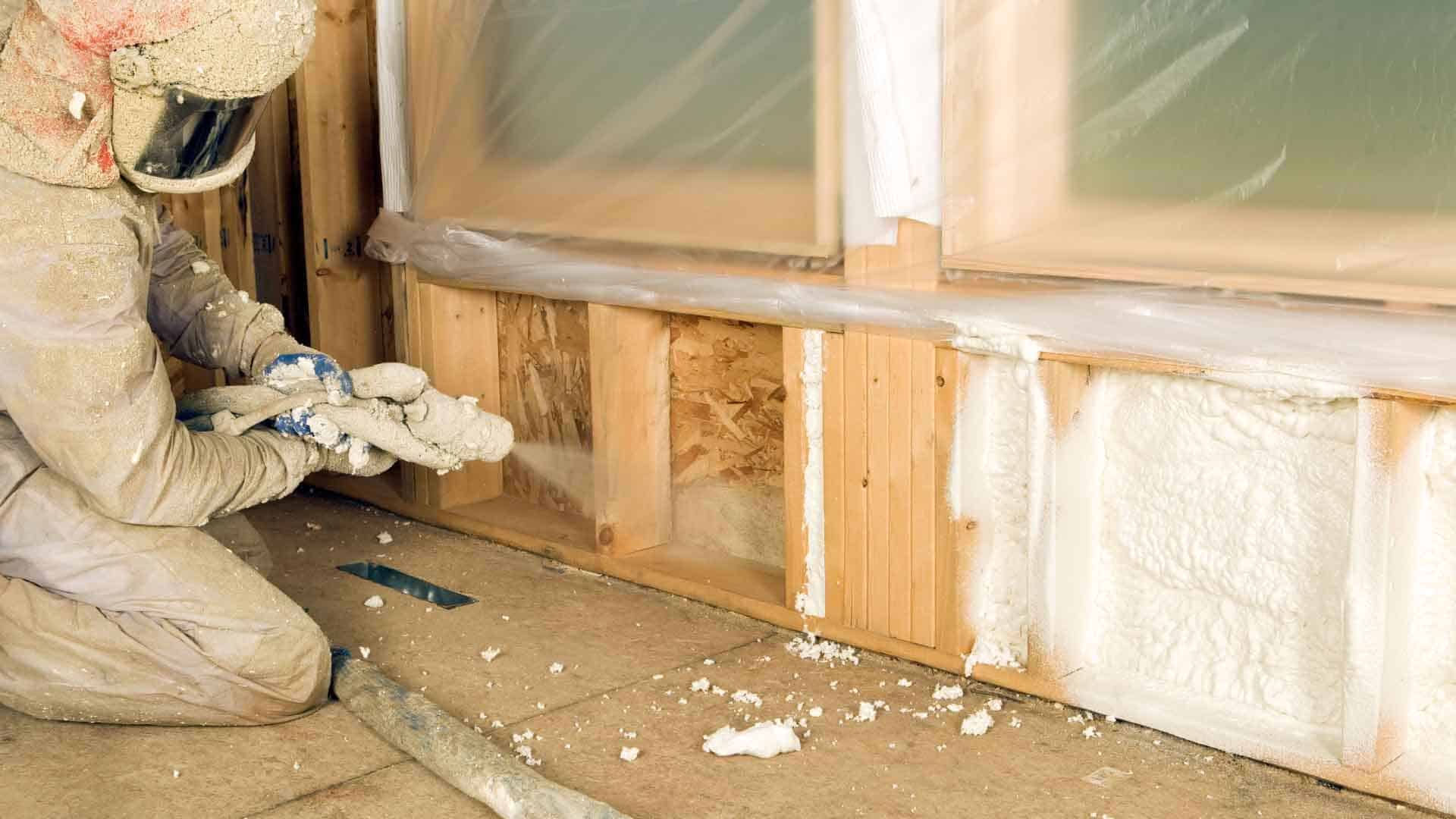
When sprayed onto a prepared roof substrate, it takes a few seconds for the liquid polyurethane to expand rapidly up to 30 times its original volume. The foam expands to create a seamless protective layer across the roof. This foam self-flashes around irregular shapes, pipes, vents, and valleys, filling every microscopic crack and void where water could otherwise seep in.
Also, the scorching summer sun can easily transform the metal roof of a mobile home into a massive radiator, forcing your air conditioning unit to work overtime. Spray foam features an incredibly high R-value, also known as insulation effectiveness per inch of thickness.
By installing a solid layer of spray foam, you can efficiently block radiant solar heat from transferring into your living space. This added insulation helps keep your home cooler and can reduce strain on your air conditioning system and your monthly summer cooling costs by almost 30% to 40%.
| Schedule a Professional Roof Evaluation Call Now. |
Quick Answers To Customer Queries
How can I tell if a soft spot on my roof is an emergency or if it can wait?
A soft spot should never be ignored, but not every case is an emergency. If you notice active leaks, a sagging ceiling, visible roof damage, or signs of water near electrical fixtures, you should schedule a professional roof inspection as soon as possible. Small soft spots may be easier and less expensive to repair when caught early. Addressing the problem quickly can help prevent more serious structural damage and costly repairs later.
Can I just use a tarp or a quick DIY patch kit to fix a sagging roof?
Heavy-duty tarps and over-the-counter rubberized patch kits work well temporarily. They cover up the exterior entry point. Still, it does absolutely nothing to fix the rotted, structurally weakened wood decking or sagging support trusses hidden beneath the surface. So, the structural decay continues by locking in moisture, allowing wood rot and mold to multiply rapidly. To fully fix a sagging roof and prevent further damage, the underlying cause must be professionally repaired.
How long does a professional spray foam roof and coating system last on a mobile home?
When installed by an experienced roofing professional and properly maintained, a high-quality spray foam roofing and elastomeric coating system can last 20 to 30 years or more. The spray foam layer provides long-term insulation and protection, while the elastomeric top coating helps shield the roof from sunlight, weather, and moisture.
However, the protective coating will gradually wear down. You can extend the life of their roof and avoid the cost of a full mobile home roof replacement with routine inspections and a fresh re-coat every 10 to 15 years.
Read More About
- How to Repair a Mobile Home Roof?
- Licensed Roofing Contractors for Mobile Homes
- What Happens When Your Home Has Poor Insulation?
- Poor Roof Insulation Can Leave Your Building Hot Even With AC On
What’s the Cost to Repair a Soft Spot in a Mobile Home Roof?
It depends on several factors, including the size of the damaged area, how much of the roof decking is affected, and whether there is any structural damage beneath the surface. Small repairs are usually less expensive, while larger areas of water damage may require more extensive work.
It’s best to schedule a professional roof inspection. A roofing expert can identify the full extent of the damage and recommend the most cost-effective solution for your home.
Final Thoughts
One of the smartest investments you can make for your property is fixing a soft spot or a sagging roof before it causes permanent structural damage. Whether you require a localized structural framing repair, an energy-saving spray foam system, or a protective elastomeric roof coating, getting the job done right the first time needs professional experience and commercial-grade materials.
Secure Your Mobile Home Roof Today With Foam Experts Co.
If you are located in the greater Sacramento area, down through the Central Valley, or across to Reno, Nevada, the licensed team (# 455066) at Foam Experts Co. is right here to help you.
With over 40 years of experience in Spray Foam Roofing and mobile home roof repair in Chico, CA, we’re the most trusted roofing company by locals here. We specialize in offering high-performance, long-lasting roofing solutions for your commercial/industrial property and mobile homes.
Take action before a major storm turns your minor soft spot into an expensive headache. Call 530-275-4588 to get a free estimate now!