
Which Insulation Is Best: Spray Foam or Cellulose?
Summers are extremely hot in Northern California. When temperatures hit 100°F or more, your roof turns into an oven, pushing heat inside your commercial or residential buildings. So naturally, you look for ways to keep maintaining cool without overworking your AC, and you’ve probably come across two popular options – spray foam insulation and cellulose insulation.
But which one is actually better for your home or commercial building? And more importantly, which one gives you the best long-term value?
As an experienced roofing contractor, we’ll break down the science, the costs, and the local realities to help you choose the best option.
How Do Spray Foam Insulation and Cellulose Insulation Work?
Spray Foam Insulation
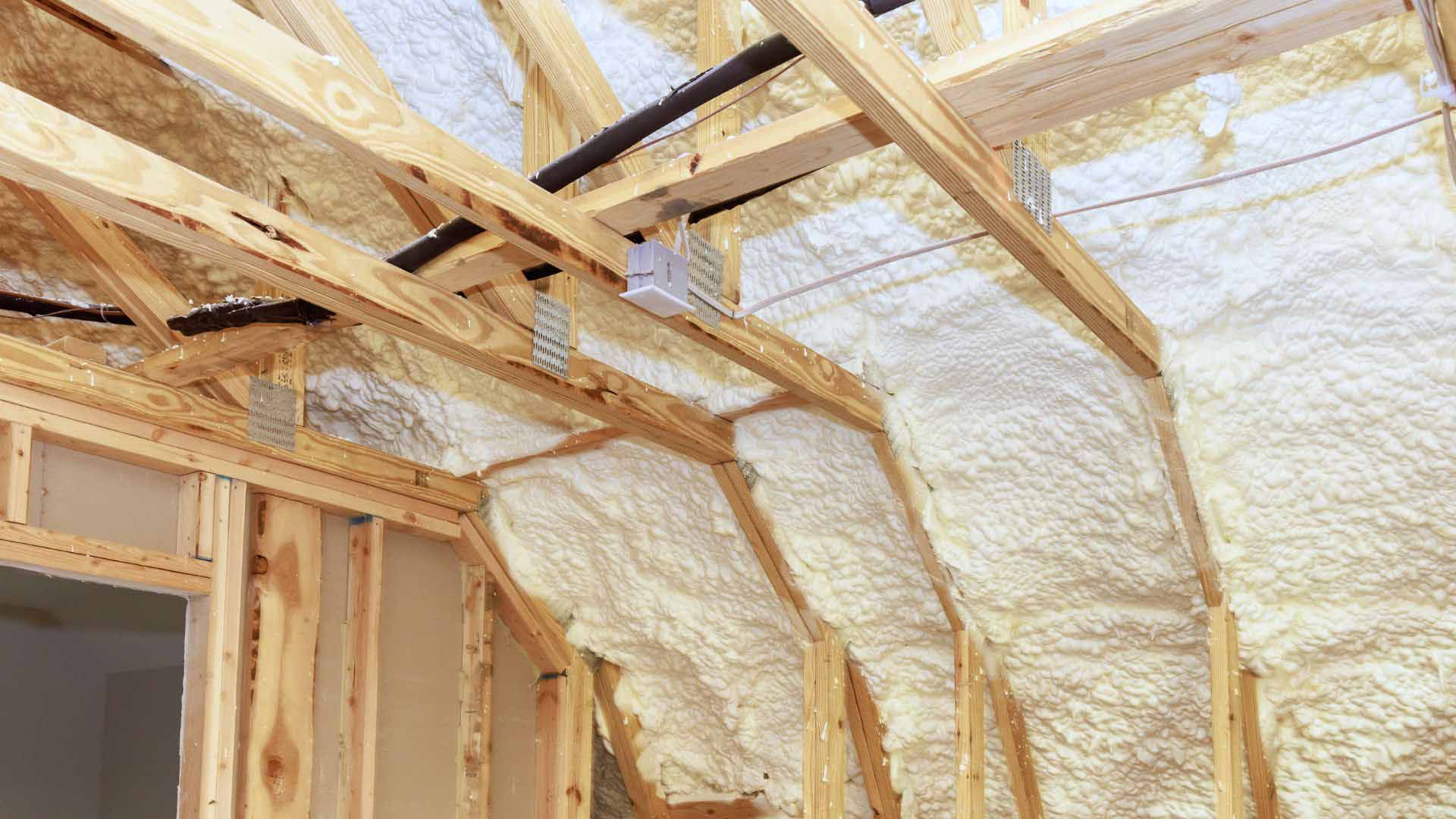
Spray foam insulation is a liquid material formed by combining isocyanate and polyol resin that expands into a thick solid foam when applied. It fills gaps, cracks, and hard-to-reach areas, creating an airtight seal.
Spray foam is of two types.
- Open-cell foam is softer, more flexible, and great for soundproofing.
- Closed-cell foam is denser and more rigid. It provides a much higher R-value per inch and acts as a water barrier against moisture.
Cellulose Insulation
It’s mainly made of recyclable materials like old newspapers and shredded cardboard, treated with boric acid. Cellulose is blown into your attic or wall cavities using a large hose. It’s fluffy, grey, and looks a bit like dryer lint.
| Find the Best Insulation for Your Home – Call Now |
Comparing Spray Foam and Cellulose Insulation
Before selecting the right option between spray foam and cellulose insulation for your roof, it’s important to compare their main features.
1. R-Value
When you look for insulating material, the most important feature that you must consider is its R-value. Because any material with a higher R-value is better at resisting heat flow.
- Closed-cell spray foam can reach R-6.5 to R-7 per inch, giving you powerful insulation even with a thinner layer, while open-cell spray foam has an R-value around R-3.5 to R-4 per inch. That’s why closed-cell spray foam is commonly applied over the roofs as it can block more heat and prevent it from entering your home or commercial building.
- Cellulose insulation has an R-value of about R-3.2 to R-3.8 per inch. That means it can reduce the heating effect to some level, but it doesn’t completely block heat or seal air.
2. Air Sealing
Proper air sealing makes a big difference in maintaining your indoor temperature during peak summer.
- Closed-cell spray foam creates an airtight seal over the roof. It blocks tiny gaps around vents, pipes, and fixtures where hot air usually sneaks in. This means less heat entering your building and less strain on your AC system.
- Cellulose insulation also reduces heat transfer, but it doesn’t fully stop air movement. Also, it’s installed under the roof or inside walls, so it doesn’t create an airtight barrier like spray foam.
3. Durability
Redding’s extreme climate can be harsh on your roof’s insulation. With extreme heat, dry winds, and occasional rain, you need a stronger solution that holds up over time.
- Once applied, closed-cell spray foam sticks firmly to surfaces and stays in place. It doesn’t sag, settle, or shift, so its insulating power remains consistent for years. Also, it can easily be repaired without replacing the existing roof, extending your roof’s lifespan.
- Cellulose insulation can settle over time. Because it’s heavier, it may compress after 10-15 years, which reduces its effectiveness. Over time, it can lose its performance as it packs down.
4. Cost
Cost is an important factor that every homeowner or business owner asks for before making a decision.
- Closed-cell spray foam may seem costly at the time of installation. But when you look at the long-term benefits it offers, the cost seems worth it. Because of its strong insulation and air sealing, it prevents heat transfer, so your HVAC doesn’t have to work harder, reducing energy costs. Plus, it saves you money on frequent maintenance or replacement.
- Cellulose generally comes within the budget of most people; that’s why they often choose it for quick or short-term upgrades. However, it may not prevent leaks for long and requires frequent maintenance or replacement over time, adding to future costs.
5. Moisture Resistance
Many people overlook the moisture problem, but it can seriously affect your insulation and overall home health.
- Closed-cell spray foam is applied directly on top of the roof, creating a seamless protective layer that helps block water and heat from entering. This reduces the risk of mold and mildew, mainly in areas exposed to humidity or leaks.
- Cellulose insulation can absorb moisture over time. Because it doesn’t protect your roof from the top, if it gets damp due to a roof leak, it may settle and lose its effectiveness. This can reduce its performance and lead to issues if not addressed.
Spray Foam Vs. Cellulose Insulation – Which One Should You Choose?
i want this table to be divind in 2 eqals part suse minimal inline css
| Choose Spray Foam If | Choose Cellulose Insulation If |
|
|
Frequently Asked Questions
Does cellulose insulation attract pests?
No. Cellulose is treated with boric acid, which helps repel pests like ants and cockroaches.
However, if it gets wet due to a roof leak, it can hold moisture. Over time, this can lead to mold growth and reduce its effectiveness.
For better protection, it’s important to address roof leaks early. In many cases, applying spray foam over the roof with the help of a professional roofing company can help seal small gaps and prevent moisture from entering.
Is Spray Foam Insulation safe for my mobile home roofing?
Yes. Spray foam insulation is safe for mobile homes when installed by trained professionals. After installation, it takes around 24 hours to set, and after that, it becomes completely stable and safe.
In fact, because it creates an airtight seal, it helps keep out dust, pollen, and outside pollutants, often improving indoor air quality and overall comfort inside your mobile home.
Can I install spray foam myself?
No. Even if you’re a DIY expert, installing spray foam needs the right equipment, temperature, and pressure to work properly. It also requires proper surface preparation. If you apply SPF to a rough, dirty, or damaged roof, it may not stick well, leading to leaks in the future.
Also, if you don’t have any prior experience applying it, you may leave gaps or uneven areas where the insulation doesn’t work. This means your home or commercial building won’t be fully protected.
Professional roofing contractors always inspect the roof first, clean the surface, and suggest repairs if needed before applying the foam. This is very important for proper bonding and long-lasting results.
| Get Expert Spray Foam Solutions – Call Now |
Takeaway
Now that you understand the key differences between spray foam and cellulose insulation, choosing the right option should feel much easier.
Whatever insulation you choose, make sure you hire a trusted roofing company, because they have all the knowledge, equipment, and experience to apply the insulation perfectly.
If you’re looking for a long-term, reliable solution that delivers better performance and efficiency, spray foam is often the smarter choice for your roof.
Ready to Upgrade Your Roof With Spray Foam Insulation? Foam Experts Co. Can Help
If you’re looking for a trusted spray foam roofing company in Redding, you’re in the right place!
At Foam Experts Co., we have over 40 years of experience in spray foam insulation for commercial, industrial, and mobile home roofing in Redding. We have the best team of local experts who specialize in high-performance roofing solutions that are built for the Northern California climate.
Call 800-281-0313 to get a free quote and schedule your roof inspection.