
Interior Ceiling Feels Damp but No Visible Leak? Hidden Roof Issues Explained
You walk into your living room, look up, and notice something strange. There is a spot on your ceiling that looks slightly darker, or maybe it just feels damp when you touch it. Yet, there is no water dripping into your home, no puddles on the floor, and no obvious hole in your roof. So, what’s causing the moisture?
A damp ceiling without a visible drip is one of the most frustrating roofing problems you can face. It feels like a mystery. You know moisture is getting in, but you cannot see the source. If you leave it alone, that small damp spot can quickly turn into structural wood rot, ruined insulation, or hazardous mold growth.
This blog breaks down exactly why your ceiling feels wet even when it’s not raining inside. We will explore the hidden roof issues causing this moisture and show you how to fix them before they turn into expensive repairs.
Why Does My Ceiling Feel Damp When It Is Not Dripping?
When a ceiling is damp but not leaking water onto your floor, it usually means moisture is trapped in your attic space or moving very slowly through your home’s framework. A fast, active leak from a broken pipe or a missing shingle usually creates an immediate drip. A damp spot, however, points to a slow, hidden problem.
A roof leak doesn’t always show up where it starts. Water can travel through the roof before you notice a damp spot on your ceiling. That’s why the real problem can be somewhere else. Therefore, you must understand where the moisture originates.
| Type of Moisture Problem | Primary Cause | Common Warning Signs |
| Hidden Roof Leak | Damaged shingles, flashing, valleys, or other roof components allow rainwater to enter slowly. | Damp spots often appear after rainfall and usually stay in one area. |
| Attic Condensation | Moisture builds up in the attic due to poor ventilation and eventually reaches the ceiling. | Dampness may appear during cold mornings or temperature changes, even without rain. |
While condensation can sometimes be the cause, it often looks very similar to a roof leak. That’s why a professional roof inspection is important. An experienced roofing contractor can inspect whether the moisture is coming from the roof itself or whether another issue, such as attic condensation, is to blame.
How Do Damaged Roof Flashings Create Hidden Leaks?
One of the most common causes of a hidden roof leak is damaged flashing. Flashing is the thin metal material installed around roof features such as chimneys, skylights, vent pipes, and roof transitions. Its job is to keep water from entering these vulnerable areas.
Over time, the sealant around these flashings can crack due to constant sun exposure. Heavy winds can also lift the metal edges just enough for water to slide underneath.
Because the water enters through a tiny crack, it does not pour into your home. Instead, it travels slowly down the rafters, soaking into the wood framework before it finally reaches your ceiling drywall. By the time your ceiling feels damp, that water may have traveled several feet away from the actual hole in the flashing.
Common Areas Where Flashing Problems Occur
- The rubber seals around the plastic pipes sticking out of your roof frequently rot and crack.
- The intersections where your chimney meets the roof slope collect a lot of debris and water.
- The V-shaped channels where two roof slopes meet carry the highest volume of rainwater.
Why Is Spray Foam Roofing a Good Solution for Hidden Roof Leaks?
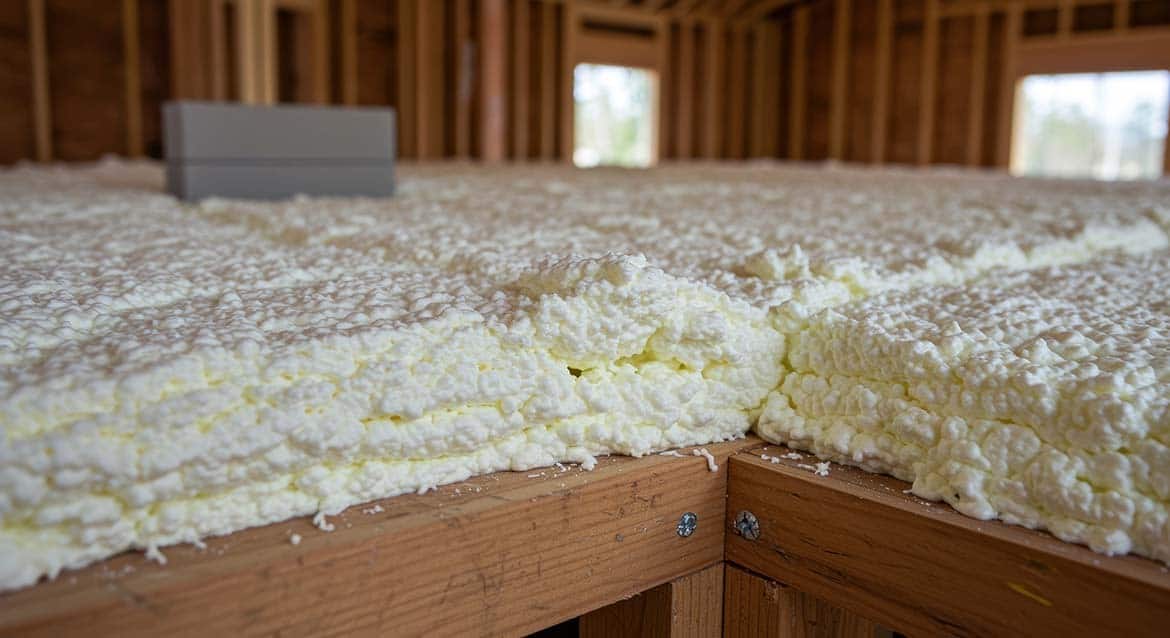
If you’re dealing with repeated roof leaks or your current roof is getting old, you may be wondering if there’s a better solution. Spray Polyurethane Foam (SPF) roofing is designed to provide long-lasting protection against water intrusion and can be a great option for many flat and low-slope roofs.
Like any roofing system, SPF roofs perform best when the protective coating is maintained and any damage is repaired on time. UV exposure, physical damage, or a worn protective coating can allow moisture to reach the foam if maintenance is delayed.
One advantage of SPF roofing is that repairs can be done only on the damaged sections. Instead of replacing large sections of the roof, damaged areas can usually be cleaned, repaired, and recoated, helping extend the roof’s lifespan.
If you’re planning to replace an old roof, spray foam roofing could be a good option for flat or low-slope roofs. Talk to an experienced roofing contractor to see if it’s the right fit for your home.
Spray Foam Roofing Vs. Traditional Roofing: A Quick Comparison
| Traditional Roofing | Spray Foam Roofing |
| Has seams, joints, or fasteners where water can enter | Creates a seamless waterproof surface |
| More areas where leaks can develop over time | Fewer entry points for moisture |
| Damaged sections may require larger repairs | Many damaged areas can be repaired and recoated |
| May absorb more heat depending on the material | Reflective coating helps reduce heat absorption |
| Lifespan depends on the roofing material and maintenance | Can last for decades with proper recoating and maintenance |
While every roof has different needs, SPF roofing is a popular choice for many flat and low-slope roofs because it creates a continuous waterproof barrier. An experienced roofer can inspect your roof and help you decide whether SPF roofing is the right solution for your property.
| Looking for a Long-Term Solution to Roof Leaks? Call Today |
What Happens If You Ignore a Damp Ceiling?
Many homeowners wait because the stain seems small. Unfortunately, moisture rarely stays in one place. Hidden water can lead to several other problems.
Mold Growth
Mold begins growing within 24 to 48 hours under the right conditions. Once it spreads into insulation or drywall, cleanup becomes much more expensive.
Damaged Insulation
Wet insulation loses much of its ability to regulate indoor temperature. That means higher heating and cooling bills.
Ceiling Damage
Drywall weakens as it absorbs water. Eventually, you may notice sagging ceilings, peeling paint, bubbling texture, and cracks.
Structural Wood Rot
Roof framing and decking stay hidden behind drywall. Continuous moisture can slowly weaken the wood supporting your roof. As a result, roof repairs become much larger once structural components are affected.
Does Redding’s Climate Increase the Risk of Roof Leaks?
Redding’s weather can be tough on roofs. Hot summers, winter rain, and seasonal temperature changes can all increase the risk of hidden roof leaks.
One reason many property owners choose spray foam roofing is that its reflective protective coating helps protect the roof from Redding’s intense sun while maintaining a seamless waterproof surface.
Common local challenges include:
- Winter rain finding its way through aging or damaged roofs
- Intense summer heat is putting stress on roofing systems
- Expansion and contraction that can loosen flashing around vents, chimneys, and skylights
- Wind-driven rain entering through small gaps in the roofing system
- Temperature changes create moisture inside the attic, making it harder to tell whether the problem is condensation or a roof leak
This is why regular inspections from an experienced roofing company that Redding homeowners trust are very valuable before and after the rainy season.
What Are the Signs You Need a Roof Inspection?
A damp ceiling is often the first visible sign that something is wrong with your roof. Even if the spot seems small, don’t wait until water starts dripping into your home. Hidden leaks can spread through the roof structure long before they become obvious.
You should schedule a professional roof inspection if you notice any of these signs:
- A damp ceiling or water stain that gets worse after it rains
- Peeling paint, bubbling drywall, or sagging ceiling areas
- A musty smell that doesn’t go away
- Moisture appearing in the same spot more than once
- An older roof that hasn’t been inspected in several years
A professional inspection can identify the source of the moisture before it causes more serious damage. Catching the problem early can often prevent costly roof repair and help extend the life of your roofing system.
| Don’t Wait for a Small Damp Spot to Get Worse – Call Now |
Frequently Asked Questions
Can a ceiling feel damp even if my roof isn’t leaking?
Yes. A damp ceiling can sometimes be caused by attic condensation instead of a roof leak. However, damaged flashing, worn roofing materials, or other hidden roof problems can create similar symptoms. Because the signs often look alike, it’s important to have an experienced roofing contractor inspect your roof to identify the exact cause so that you don’t have to keep guessing and let the damage get worse.
How long can a hidden roof leak go unnoticed?
A hidden roof leak can go unnoticed for weeks or even months because water often travels through the roof structure before reaching the ceiling. During that time, moisture may damage insulation, drywall, and wooden framing without creating an obvious drip. An experienced roofing contractor can identify these hidden problems early and recommend the right repairs.
Is spray foam roofing a good option for preventing future leaks?
Spray Polyurethane Foam (SPF) roofing creates a seamless waterproof surface, which means there are fewer joints and gaps where water can enter. While no roofing system is completely maintenance-free, regular inspections and recoating help SPF roofs continue protecting your property for many years. A professional roofing contractor can help decide whether SPF roofing is suitable for your building.
How often should I have my roof inspected?
Most roofs should be professionally inspected at least once a year and after severe storms. Regular inspections help identify small problems, such as damaged flashing or worn roof coatings, before they become hidden leaks. An experienced roofing contractor can recommend an inspection schedule based on your roof’s age and condition.
Read More About
- What Causes Soft Spots and Sagging in Mobile Home Roofs?
- Poor Roof Insulation Can Leave Your Building Hot Even With AC On
- What Happens When Your Home Has Poor Insulation?
- Which Insulation Is Best: Spray Foam or Cellulose?
Takeaway
A damp ceiling may not seem like a big deal at first if there isn’t any water dripping. But it’s usually a sign that something isn’t right. The sooner you find out where the moisture is coming from, the easier and less expensive it is to fix. If you’ve noticed the same damp spot more than once, don’t ignore it. Getting your roof checked early can save you from much bigger problems later.
Contact Foam Experts Co. – Protect Your Property with Expert Spray Foam Roofing Solutions in Redding
If you’ve noticed a damp ceiling or suspect a hidden roof leak, don’t wait for the damage to spread. Foam Experts Co. specializes in high-quality Spray Polyurethane Foam (SPF) roofing, inspections, maintenance, recoating, and roof repair in Redding for mobile home roofs, commercial, and industrial properties.
Our licensed team (# 455066) carefully identifies the source of roof problems and provides long-lasting solutions designed for Northern California’s climate.
With over 40 years of experience in SPF roofing solutions, we’re proud to be an A+ rated roofing company Redding by the BBB. Whether you need an inspection, repairs, or want to learn if SPF roofing is the right choice for your property, we’re here to help.
Give us a call at (530) 275-4588 to get a free quote. We are 24/7 available!