
How to Identify Roof Problems Early (Before They Become Costly Repairs)
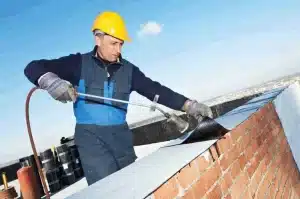
Small roof issues may not seem like a big deal today, but when ignored for too long, they can turn into giant financial headaches. It may begin with a small crack, a loose flashing edge, a clogged drain, or a little water stain that only appears after heavy rain. The main issue is that these signs are easy to ignore, especially when your building is still operating normally.
But when water finally reaches the ceiling, insulation, electrical systems, inventory, or equipment, the repair can become much more expensive.
That’s why identifying roof problems early is so important, especially on warehouses, industrial buildings, and commercial properties where one leak can interfere with daily operations.
The good news: You don’t need to be a roofing expert to recognize many early warning signs. You simply need to know what deserves attention and when it’s time to call a professional.
What Are the Earliest Signs of a Roof Problem?
Start with what you can safely see from inside and around the building. You can leave roof-surface inspections and repairs to trained professionals when access or conditions are unsafe.
Exterior Warning Signs on the Deck
- Standing water is one of the easiest issues to spot outside. If water is still standing on the roof about 48 hours after rain, it may indicate a drainage problem, a blocked outlet, or an area where water isn’t draining properly.
- Heat can also reveal hidden moisture under the surface. Trapped moisture or air beneath some roofing systems can expand with heat, creating bubbles, blisters, or raised areas on the surface.
- Repeated heating and cooling can put stress on seams, joints, and other roof components, especially as the system gets older. This can eventually cause the seams to pull apart and let water in.
- Finally, keep a close eye on the metal flashing around your vents, skylights, and parapet walls. These transition areas are usually the first spots where a roof begins to leak.
| Get Professional Roof Inspection in Redding – Call (530) 275-4588 |
Interior Warning Signs Inside the Building
Sometimes the first clues appear inside your facility rather than on top of it:
- You might notice yellow water stains spreading across your ceiling tiles, or paint and wallpaper starting to peel along the top edges of interior walls.
- Moisture hidden behind walls or under insulation often creates a heavy, musty smell in upper-floor rooms and storage spaces.
- In some cases, wet roof insulation loses its thermal resistance, leading to a sudden and unexpected jump in your monthly heating and cooling bills.
| Early Warning Sign | What It May Mean | What to Do |
| Ceiling stain | Moisture is entering somewhere above | Document it and arrange an inspection |
| Standing water | Drainage may be blocked, or the roof slope may be inadequate | Check drains and have the area evaluated |
| Loose flashing | Water may enter around roof edges or equipment | Repair before the next storm |
| Surface cracks | Roofing material or coating is deteriorating | Have the affected area inspected |
| Rising energy bills | Insulation or roof performance may have declined | Check for moisture or insulation damage |
How Often Should Roofing Maintenance Be Done?
Waiting until you see a leak is reactive maintenance. Roofing maintenance is more effective when it is done before an emergency occurs.
A practical schedule for many buildings is:
- Twice a year: Have the roof checked before and after the seasons that place the most stress on it.
- After major storms: Look for wind damage, debris, punctures, loose flashing, and drainage problems.
- After rooftop work, inspect areas where HVAC technicians, electricians, or other contractors recently worked.
- More often on older or heavily used roofs: Aging roofs and roofs with significant rooftop traffic may need additional attention.
The NRCA recommends inspecting commercial roofs at least twice a year, mainly in spring and fall, and after severe storms.
Keep a simple record of inspection dates, photos, past leaks, repairs, and recurring problem areas. These details can make future roof issues much easier to spot and diagnose.
How Do You Repair a Leaking Roof?
The first step is finding the actual source of the water, not just the spot where the water appears inside.
Water can travel along roofing materials, insulation, decking, or structural components before it becomes visible indoors. That’s why placing a patch on the roof directly above an interior stain doesn’t always address the actual source of the leak.
A professional roof repair generally involves:
- Inspecting the roof and interior area.
- Finding the likely entry point.
- Checking nearby seams, flashing, drains, and penetrations.
- Cleaning and preparing the damaged area.
- Repairing the roofing material with compatible materials.
- Checking the surrounding area for additional damage.
- Testing or monitoring the repair.
The correct repair depends on the roof type and the extent of the damage. For example, a small isolated defect may need a localized repair, while widespread deterioration, repeated leaks, or damaged insulation may call for restoration or replacement.
When Is a Temporary Roof Repair Appropriate?
Sometimes, continuous rain makes it unsafe to complete a permanent repair immediately. In those situations, a temporary roof repair may help limit additional water intrusion until proper work can be scheduled.
A temporary roof leak repair might mean putting a tarp over the damaged area, using an emergency sealant, or redirecting water. What works best depends on the type of roof and where the damage is.
Temporary patches can fail because of continued rain, high temperatures, surface movement, poor adhesion, moisture trapped below the repair, and incompatible roofing materials.
After the conditions allow, the roof should be inspected and permanently repaired by an experienced roofing contractor. A temporary patch that appears dry from the inside does not always mean the underlying roofing system is healthy.
Read More About
- How Much Can Spray Foam Roofing Reduce Your Energy Bills? The Real Savings Explained
- Why More Mobile Home Owners Are Choosing Roof Coatings Instead of Replacement
- Interior Ceiling Feels Damp but No Visible Leak? Hidden Roof Issues Explained
- What Causes Soft Spots and Sagging in Mobile Home Roofs?
Which Areas of the Roof Should You Check First?
You do not need to inspect every square foot equally. Certain areas often deserve more attention.
Flashing and Roof Edges
Flashing protects transitions where roofing meets walls, curbs, edges, or other materials. Loose, damaged, or deteriorated flashing can create an easy path for water.
Roof Penetrations
Pipes, vents, skylights, exhaust systems, and HVAC equipment all create openings or transitions in the roofing system. Check seals and surrounding roofing regularly.
Seams
On membrane and metal roofing systems, separated or stressed seams should be addressed before water finds its way underneath.
Drains and Gutters
Leaves, dirt, roofing debris, and industrial residue can block drains or interfere with drainage. Keeping these areas clear is one of the simplest parts of preventive maintenance.
Previous Repair Areas
Has one section already leaked twice? Pay attention to it. Repeated leaks may mean the original cause was never fully corrected.
When Does a Small Roof Problem Need Professional Attention?
Not every mark means you need a new roof. But some problems need attention sooner rather than later.
Call a licensed roofing professional when:
- Water is actively entering the building
- The leak keeps coming back after a repair
- You can’t find the actual source of the leak
- Parts of the roof are cracked, lifted, or coming apart
- Water keeps collecting in the same area after rain
- A section of the roof feels soft or unusually weak
- Flashing around vents, walls, or equipment is pulling loose
- You’re seeing leaks in more than one area
- Water is getting close to electrical panels, wiring, or rooftop equipment
Early repair is usually easier to plan than emergency repair. More importantly, it gives you time to choose the right solution instead of making a rushed decision while water is entering the facility.
Why Commercial & Industrial Properties Need Specialized Industrial Roof Services in Redding
Commercial and industrial roofs often face issues that residential roofs typically don’t. They cover large areas, support heavy HVAC equipment, handle exhaust and other rooftop systems, and often have low slopes. That means they need roofing solutions built for these tougher conditions.
Partnering with a roofing company that specializes in industrial roofing services ensures your property stays protected against heat, torrential rain, and wind damage.
What Makes Industrial Roof Problems Different?
Industrial roofs deal with more than just rain and sun. Large roof areas, low slopes, HVAC equipment, exhaust systems, pipes, vents, and regular service traffic can all create additional weak points.
Common trouble spots include:
- HVAC units and penetrations: Equipment and the openings around it can create areas where water gets in.
- Roof drains: Large low-slope roofs depend heavily on proper drainage. Blocked or damaged drains can leave water sitting on the surface.
- Heavy rooftop traffic: Maintenance crews and contractors can accidentally puncture or damage roofing materials while working around equipment.
- Exhaust and mechanical systems: Heat, moisture, and exhaust can affect nearby roofing materials over time.
- Previous repair areas: If the same spot keeps leaking, the original problem may not have been fully corrected.
| Schedule Industrial Roofing Service in Redding – Call (530) 275-4588 |
Can Spray Foam Roofing Help Prevent Recurring Roof Problems?
For some commercial and industrial buildings, spray polyurethane foam (SPF) roofing can be a useful restoration or roofing solution.
SPF is sprayed over a properly prepared roof surface and expands to create a solid layer. A protective coating is then applied over the foam to help protect it from weather and UV exposure.
One advantage is that spray foam can create a monolithic, seamless barrier that works well around irregular roof shapes and penetrations. Spray foam fills cracks, seals around complex penetrations, and adds insulation without adding excessive weight to the building structure. That’s why modern commercial facilities increasingly turn to industrial spray foam roofing.
But spray foam isn’t a magic fix for every roof. The existing roof needs to be properly inspected and prepared first. Wet or severely damaged areas may need attention before a new roofing system or restoration can be considered.
For buildings dealing with recurring leaks, heat loss, or aging roofing, industrial spray foam roofing can provide both roof protection and added insulation.
Common Questions About Roof Repair
1.Is one small roof leak really an urgent problem?
A small leak does not always mean the roof is failing, but it should not be ignored. Water can spread through insulation, decking, ceilings, walls, or areas around equipment before the interior damage becomes obvious. The source may also grow larger with repeated weather exposure. A professional inspection can determine whether the problem needs a simple localized repair or points to a larger roofing issue.
2.Can I leave a temporary roof patch in place if the leak stops?
You should not assume a temporary patch is permanent simply because the dripping stopped. Temporary materials may loosen, crack, or fail when exposed to heat, rain, or movement. They can also hide the original problem without correcting it. Have a roofing professional inspect the area and determine the right long-term repair once weather and site conditions allow safe work.
3.How often should an industrial roof be inspected?
Twice-yearly inspections are a useful standard for many industrial roofs, along with checks after severe weather or rooftop equipment work. Older roofs, high-traffic roofs, or buildings with recurring drainage problems may benefit from more frequent inspections. A professional roofing maintenance program can create an inspection schedule based on the roof type, condition, building use, and previous repair history.
4.What roof problems are common in Redding’s climate?
Redding’s intense, prolonged summer heat can place stress on roofing surfaces, coatings, seams, and sealants. When wetter winter weather arrives, small weaknesses may begin allowing water inside. Debris and drainage problems can also become more noticeable during heavy rain. Having an experienced roofing contractor inspect the roof before rainy weather can help catch problems created during the hot, dry months.
Takeaway
Taking care of your roof really comes down to one simple rule: small checks today prevent huge bills tomorrow.
You don’t need to be a roofing expert to protect your building. By taking a quick walk around your property twice a year, keeping an eye out for warning signs like water stains or cracked seams, and acting fast when a drip starts, you stay in total control.
Temporary patches buy you time in an emergency, but having a trusted professional inspect your roof and apply permanent protection is what gives you long-term peace of mind.
Keep your eyes open, stay ahead of routine maintenance, and your roof will keep your business safe, dry, and profitable for years to come.
Get Ahead of Roof Problems With Foam Experts Co.
If you have noticed leaks, damaged roofing, ponding water, or signs of wear, Foam Experts Co. can inspect the problem and help determine the right next step.
Serving Northern California since 1983, Foam Experts Co. is a family-owned and locally operated company with a licensed (#455066), bonded, and insured roofing team. Our experienced team provides industrial roof inspections, repairs, maintenance, spray foam roofing, insulation, waterproof coatings, and other roofing solutions.
For facilities dealing with leaks, heat, aging roofing systems, or insulation concerns, our industrial spray foam roofing in Redding may provide a practical way to improve roof protection and energy performance when the existing roof is suitable for restoration.
Do not wait for a small warning sign to become a costly interruption.
Give us a call at (530) 275-4588 to schedule an inspection or discuss your roofing needs.